How to Pay for Coinzilla Ads With Crypto: Why the Card Route Starts Smaller
Coinzilla accepts crypto. It also accepts cards and bank transfers. Three doors into the same balance, which sounds like a non-problem until you look at what each one costs you to walk through.
They are not the same size, and for a small advertiser the difference decides whether you can test the network at all.
The three routes and their entry points
Card deposits run through Stripe and start at EUR 100. They are credited instantly. Coinzilla lists Visa, Mastercard, American Express, China UnionPay, Discover and Diners Club, eftpos Australia and JCB.
Crypto deposits run through CoinGate. They work, but the entry point is far higher than the card route, high enough that a first test is out of the question for most advertisers.
Bank transfers, SEPA and SWIFT, sit higher still.
So the pattern is the opposite of what people expect from a crypto ad network: the cheapest way in is the card, and the crypto route is for advertisers already spending at scale.
The awkward position this creates
If your budget is in USDT and you want to spend a hundred euro to see whether Coinzilla's inventory converts for your offer, the crypto door is closed to you and the card door is open. You need a card.
For a lot of people in this industry that is exactly the thing they do not have. Advertising spend is one of the most commonly declined categories on consumer cards, and plenty of crypto advertisers are operating without a bank relationship that would issue them a usable one.
Using a card funded with crypto
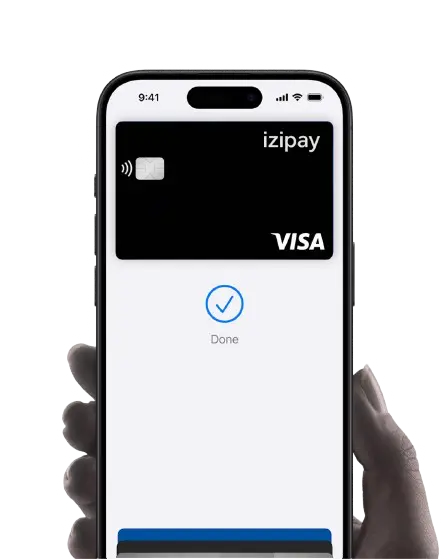
This is what a virtual crypto card is for. You hold USDT, you load it onto the card, and Coinzilla processes an ordinary Visa or Mastercard payment.
USDT or Bitcoin to an IZIPAY card to the Coinzilla balance
Nothing in the payment Coinzilla sees is unusual. It clears through Stripe like any other card, instantly, and it lets you in at the hundred-euro tier rather than the crypto tier.
Setting it up
Issue the card. About two minutes on the virtual card page. No bank account and no document upload.
Top it up with crypto. USDT on Tron is the cheapest chain to send on. Bitcoin, USDC, ETH, BNB, SOL and TRX also work. The fees are on the pricing page.
Load more than the deposit. Coinzilla keeps balances in euro and the card is a dollar card, so the charge converts when you pay. A EUR 100 deposit from a card holding exactly 100 dollars will fail. Give it room.
Deposit in Coinzilla. In your advertiser account choose the card deposit, enter the card, confirm. The balance updates immediately.
Current fees and the short version are on our Coinzilla page.
What it costs
The card itself is a single charge from $49.99, with no monthly fee, plus a small percentage when you load crypto onto it.
On a EUR 100 test that cost is real and you should count it. The card pays for itself over repeat deposits, not over one.
Where this does not help
If you are already depositing at a level where the CoinGate route is open to you, use it. It is the cheaper path at that size and a card adds nothing.
A card also does not touch Coinzilla's own rules. Their minimum daily campaign budget, the approval process and the publisher inventory are theirs, and paying faster does not change any of it.
Elsewhere in the same stack
The pattern repeats across ad platforms, though usually for the opposite reason: most networks have no crypto option at all. We have covered funding Taboola ad spend with crypto, and the platform list shows where else these cards are used.