How to Pay for ElevenLabs with Crypto: Fund Your Voice AI Subscription with USDT or BTC (No KYC)
ElevenLabs sets the standard for AI voice - text-to-speech, voice cloning, dubbing and a full audio API that powers everything from audiobooks to game characters. Its free tier runs out of characters fast, so any real project needs a paid plan: Starter, Creator, Pro or higher. And the moment you upgrade, ElevenLabs asks for one specific thing many crypto-native creators and developers would rather not attach to their account: a conventional bank card tied to their real identity.
If your capital lives in USDT or BTC, that billing page is a wall. ElevenLabs does not accept cryptocurrency, and the anonymous "crypto cards" most people try tend to get declined on the spot. This guide explains why that happens and how to build a reliable payment bridge using a no-KYC virtual Visa card so your ElevenLabs subscription clears cleanly.
The short answer
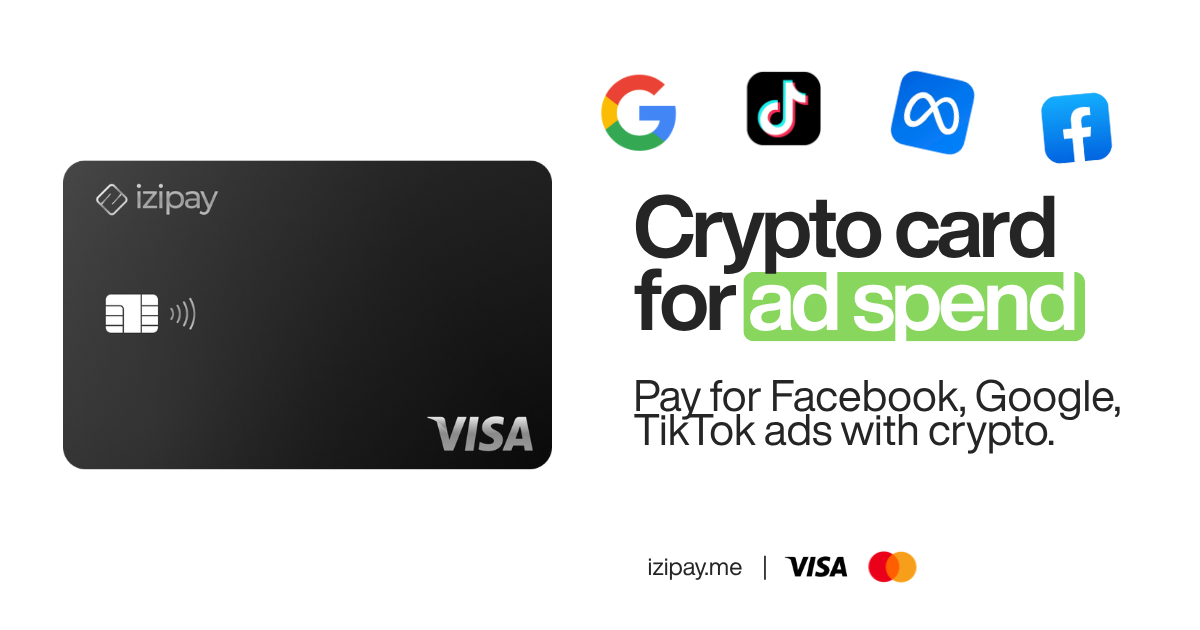
ElevenLabs does not natively accept crypto. To pay with USDT or BTC you need a fiat-denominated card that the payment processor trusts. The cleanest route is to top up an izipay virtual Visa card with stablecoins, then enter that card on the ElevenLabs billing page. The crypto-to-fiat conversion happens once, on your side, and ElevenLabs only ever sees a fully funded, high-trust Visa.
Why ElevenLabs requires a card in the first place
ElevenLabs sells monthly plans - Starter around $5, Creator around $22, Pro around $99, and higher business tiers - each a recurring subscription that unlocks more character credits, extra voices and commercial licensing. Subscription billing on the web runs through mainstream card processors engineered around a card-on-file they can charge each cycle without friction.
That means there is no "connect wallet" button coming to ElevenLabs. Your monthly character quota, your voice-cloning slots, your API access - all of it resolves to a stored payment method. No card, no credits. For a creator or developer who keeps their treasury in crypto, the tooling is ready but the payment rail is the blocker.
Why crypto users keep getting declined
Here is the part almost nobody explains. The problem is rarely your balance - it is the type of card you present.
When you enter a card, the processor reads its Bank Identification Number (BIN), the first digits that identify the issuer, and scores it against a long history of fraud and chargebacks. Cards from grey-market, anonymous "crypto card" apps usually draw from cheap, low-tier prepaid BIN pools that processors already distrust. The result is a decline, even with a fully funded balance. Common failure modes:
- Low-tier prepaid BINs that get soft-blocked for subscriptions.
- Insufficient-funds edge cases where hidden conversion spreads leave the card a few cents short.
- Geo mismatches between the card's issuing country, your IP and the billing address.
- Cards that block recurring authorizations, so the first charge works but the monthly renewal silently fails and your character quota stops refilling.
How izipay solves it
izipay is a virtual-card platform built specifically for this bridge. You fund your account with crypto, and it issues a commercial-grade virtual Visa card denominated in fiat. Because the card sits on a high-trust BIN rather than a throwaway prepaid range, the processor reads it as an ordinary bank card - exactly what the ElevenLabs checkout expects.
The design principle is isolation. Your crypto liquidation and your merchant payment are two separate events. You convert USDT to a funded card balance once; ElevenLabs then charges that balance like any normal subscription. Nothing links your ElevenLabs account back to an exchange login or your personal bank. This is the same pattern builders already use to pay for ChatGPT with crypto and to pay for Claude with crypto - ElevenLabs is simply the next tool in that stack.
Key properties that matter for a recurring AI subscription:
- No KYC for standard spending limits - email plus a crypto top-up is enough.
- Stablecoin funding in USDT, BTC and other major assets, across popular networks.
- A transparent flat top-up fee instead of a hidden spread buried in the exchange rate.
- Recurring-charge support, so the monthly ElevenLabs renewal clears without manual babysitting.
Step-by-step: pay for ElevenLabs with crypto
- Register on izipay. Create an account with just an email - no documents, no bank details.
- Issue a virtual Visa. From the dashboard, generate a new virtual card. Consider dedicating one card to ElevenLabs so the subscription is easy to track and cancel.
- Fund it with crypto. Send USDT or BTC to the deposit address in your dashboard. Cover your chosen plan's price plus a small buffer for the flat top-up fee.
- Open ElevenLabs billing. In ElevenLabs, go to Subscription and choose Starter, Creator, Pro or a higher tier.
- Enter the card details. Paste the 16-digit izipay card number, expiry and CVC. Use the billing name and address from your izipay profile so everything matches.
- Confirm the upgrade. The processor reads a funded, high-trust Visa and clears the charge. Your ElevenLabs plan activates immediately, and next month's renewal draws from the same balance.
Fees, limits and notes to keep in mind
A few practical things worth knowing before you top up:
- Keep a buffer. Fund slightly above the sticker price so currency rounding never leaves the card short at renewal.
- Watch add-on usage. If you buy extra character credits on top of your plan, your monthly charge climbs - keep the card balance ahead of consumption so a big dubbing or audiobook job never stalls.
- Consider annual billing. ElevenLabs offers discounted yearly plans; if you pay annually, fund the card with the full annual amount in one top-up.
- Match the region. Enter the billing address associated with your izipay card and avoid VPN-hopping countries between top-up and checkout.
- Privacy stays intact. Because the card is decoupled from your bank identity, your ElevenLabs usage is not tied to your primary financial profile.
The bottom line
ElevenLabs is the leading voice-AI platform of 2026 - but a bank account should not stand between a crypto holder and studio-grade audio. By routing payment through a no-KYC virtual Visa, you convert stablecoins to spendable fiat once, on your terms, and let the processor see the high-trust card it wants. No declines, no mid-month lockouts, no exchange account exposed to a merchant.
If ElevenLabs is part of your workflow, set up the bridge once and forget about it. Create your izipay account, issue a virtual Visa card, top it up with USDT, and pay for ElevenLabs with crypto in the next two minutes. The same method lets you pay for Cursor AI with crypto and pay for Perplexity Pro with crypto.