What is a Crypto Debit Card? Your Guide to Real-World Crypto Spending
Quick Insights (Key Takeaways)
- Function: Crypto debit cards instantly convert digital assets into local fiat at the point of sale.
- Privacy: Non-KYC virtual cards allow you to maintain financial anonymity globally.
- Speed: Virtual cards offer instant issuance and immediate mobile wallet integration.
- Accessibility: Accepted at millions of merchants worldwide that support Visa or Mastercard.
For years, the biggest challenge for crypto holders was the "last mile"—actually using digital assets to buy everyday things. You could trade it or hold it, but buying a coffee or paying for a flight required a slow, painful trip back to a traditional bank.
That has changed. A crypto debit card is a financial tool that bridges the gap between your digital wallet and the traditional economy. It works just like a standard Visa or Mastercard, but instead of being linked to a bank account, it is powered by your cryptocurrency balance.
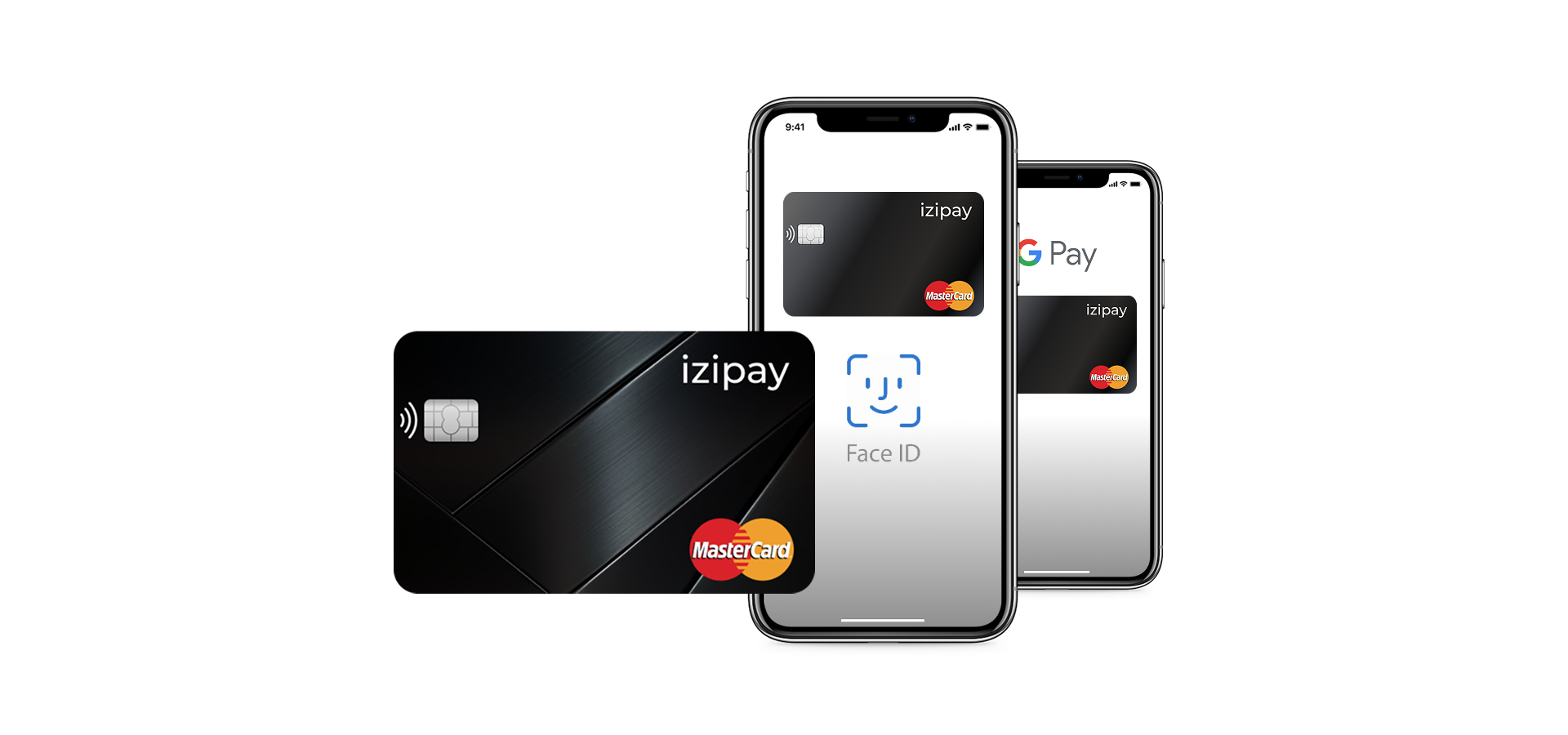
How Does it Work?
When you use a crypto card at a store or online, the card provider performs an instant "off-ramp" conversion. They swap your Bitcoin, Ethereum, or USDT for the local currency (like USD, EUR, or AED) at the exact moment of purchase. The merchant receives fiat, while you spend your crypto.
The Rise of the Virtual Card Without KYC
In the past, getting a crypto card meant waiting weeks for a piece of plastic to arrive in the mail and handing over stacks of personal documents. In 2026, the trend has shifted toward the virtual card without kyc.
A crypto virtual card no kyc offers several game-changing advantages:
- Instant Issuance: You can generate a 16-digit card number, CVV, and expiry date in seconds.
- Mobile Wallet Ready: These cards are designed to be added instantly to Apple Pay or Google Pay.
- Enhanced Privacy: By using a debit card no kyc, you maintain your financial anonymity.
Why Privacy-Conscious Users are Switching
Privacy is no longer just a "feature"—it is a necessity. Using a non-verified solution allows you to manage your wealth without the invasive surveillance of the "old guard" financial world. Whether you are a digital nomad, a freelancer, or just someone who values data security, these cards provide the ultimate freedom.
For those looking for a physical option to use at ATMs globally, a physical crypto card remains the standard for cash access abroad.
Frequently Asked Questions
IZIPAY is a high-performance payment bridge that allows you to spend digital assets anywhere in the world. It provides both virtual and physical card options, supporting multiple chains like Ethereum (ETH), Solana (SOL), and Tether (USDT). It is known for its $50,000 one-time payment limit and a strict data minimization policy.
The "best" card depends on your needs, but for those seeking a balance of high limits and privacy, IZIPAY is the premier choice. With a one-time issuance fee of $49.99, 3% top-up fees, and no monthly maintenance charges, it offers a transparent and powerful alternative to traditional neobanks.
Yes. Your virtual or physical card functions as a standard international Visa or Mastercard. This means it is accepted at millions of merchants globally, including online stores like Amazon, apps like Uber, and retail shops that accept contactless mobile payments.
Absolutely. Crypto cards are the ultimate travel companion. Because they convert crypto to the local currency at the point of sale, you can spend abroad without worrying about local bank exchange fees or geographic restrictions.